You Planted Seed of Hope...
April 13, 2026
... and we were not afraid to fail!
As we celebrate 20 years in community ownership, we are reflecting on what has made all this possible and the word HOPE resonates strongest. In 2006, enough people had hope that that we could make Fordhall a success. This hope made something that may have seemed impossible, possible.
seemed impossible, possible. Hope is contagious, it is intangible, it is free, and it allows us to climb the largest of mountains. I would argue, it is one of the most powerful tools of overcoming adversity we have. What is most amazing about it is that hope is something we all have the power to have and to give.
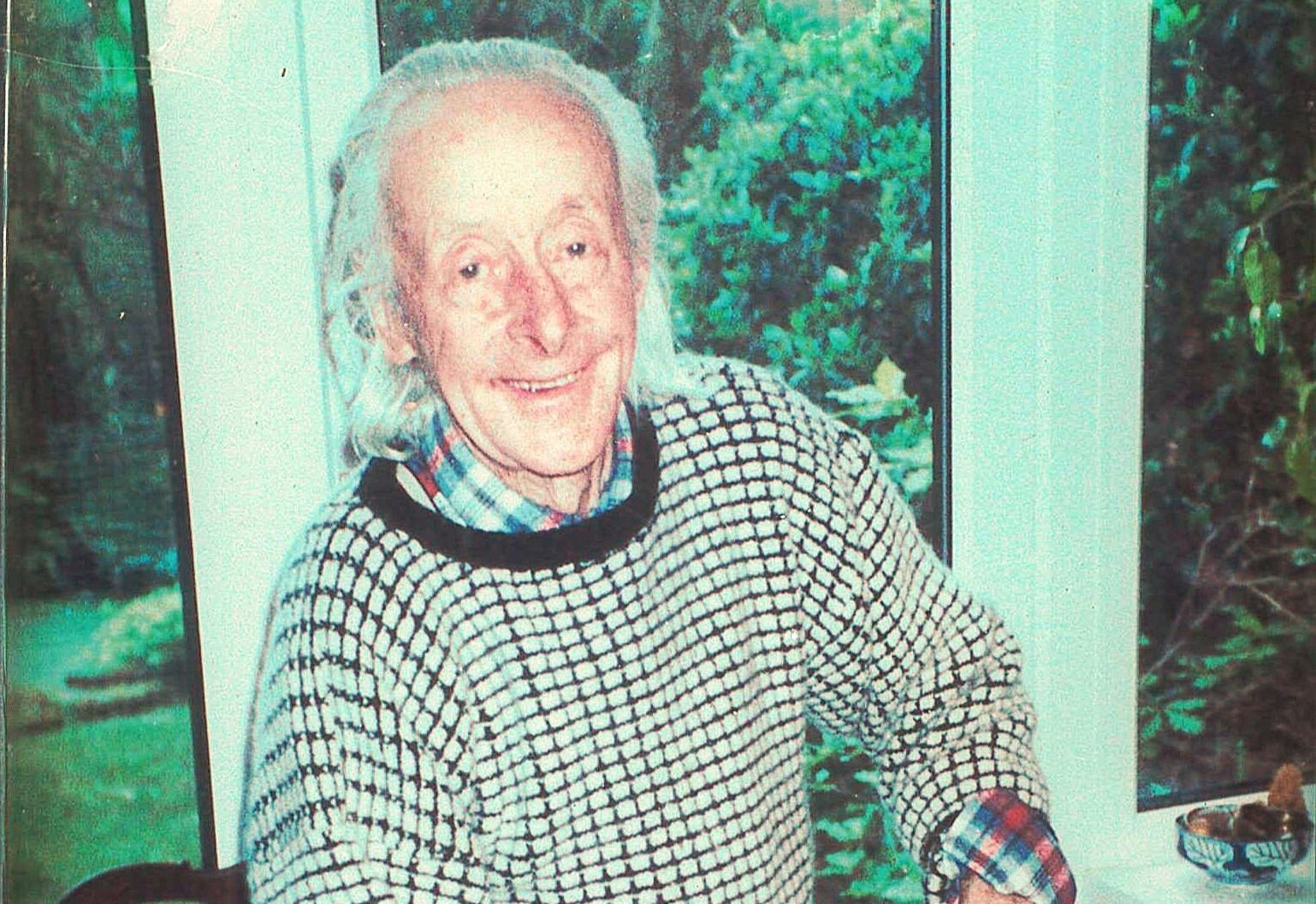
For Ben and I, the battle started long before we had to raise £800,000 through community shares. It started before we were even in our teens, when Mum and Dad were fighting eviction notices in the 1990s following the landowner’s intention to sell Fordhall for development. After a decade of fighting, our family was due to be evicted from our family home on the 31st March 2004. It was an incredibly stressful and gut-wrenching time for all of us, especially for Dad (Arthur). He was born at Fordhall and spent his life turning the farm’s sandy and infertile soils into organic gold. His whole life was contained within these pastures and this soil.
I had graduated from university in 2003 and returned to the farm with Ben still at college, to see if there was anything else we could do. Was our family’s decade-long fight and 100+ years of tending the land here about to end? Hope had all but disappeared and we were coming to terms with the inevitable.
At the time, I was working in a local residential home, and a colleague and her husband became interested in our struggles. Mike and Dagmar Kay saw the potential in Fordhall and when they visited the farm to meet Dad, they realised how grave our situation was. Mike had hope and he offered to help us put a business plan together. The seeds of renewal began... but Ben and I were still too scared to hope that something might be possible. However, we were determined to ‘have a go’; if nothing else we would have left the farm knowing we had tried every avenue possible.
Miraculously, the effort paid off and one week before we were due to be evicted in March 2004 Ben and I, accompanied by Mike, met with the land agents at Cater Jonas. We shared our business plan. We promised to be good tenants, to pay the rent and even to improve the now run-down farm.
Just hours before our eviction notice ended, a new 18-month tenancy was granted. We were excited and scared all at the same time. Most of all, we were determined to make a go of it. For the first time in a long time, we had hope.
So, Ben and I, age 19 and 21 respectively, with no money, no idea what we were doing and a mere 11 cows, six pigs and six sheep, took on the tenancy. Step number one – set up a farm shop and pay the rent! Our journey began…
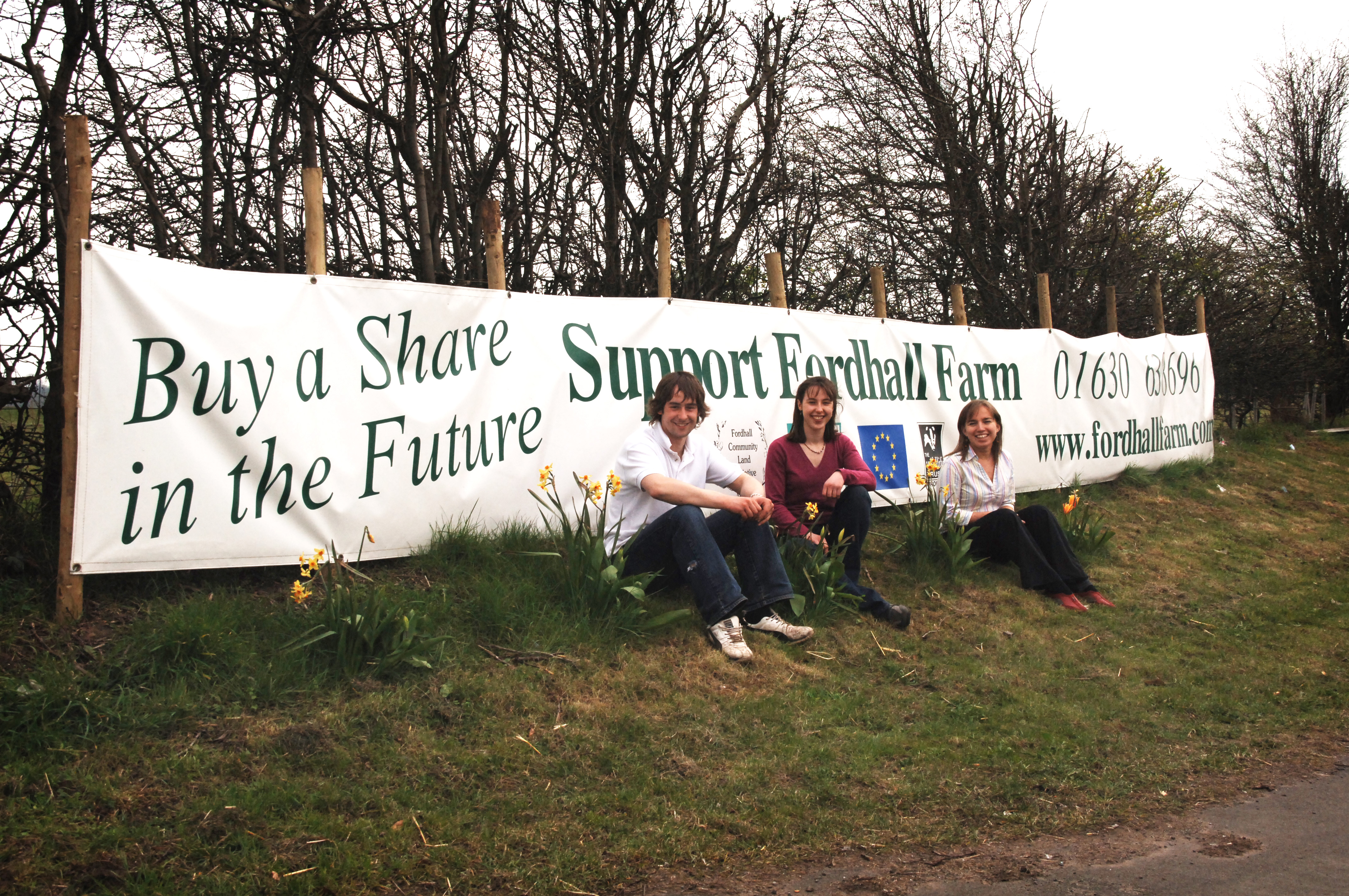
Fast forward to spring 2006. Two years had passed and our hope continued to grow. Our Society was incorporated, the Fordhall Community Land Initiative now existed and was selling £50 non-profit making shares to the wider public. An option to buy the farm had been granted, our tenancy extended and a deadline of the 1st July 2006 was given.
We were still naive, still learning and still had no idea where the £800,000 needed to purchase 128 acres of Fordhall Farm was going to come from.
We submitted many grant applications, each one denied due to a lack of trading history or a lack of knowledge about this uncommon legal structure they were seeing. Ben was worried too. The people he was meeting at Farmers’ Markets had concerns about the challenge ahead. Comments of ‘too much to raise’ and ‘not enough time’ were commonplace. Ben started to believe what he was hearing and would return back to the farm concerned about where we would live after the deadline had passed. Were we preparing to move to a new home? Where would that be when we have no money?
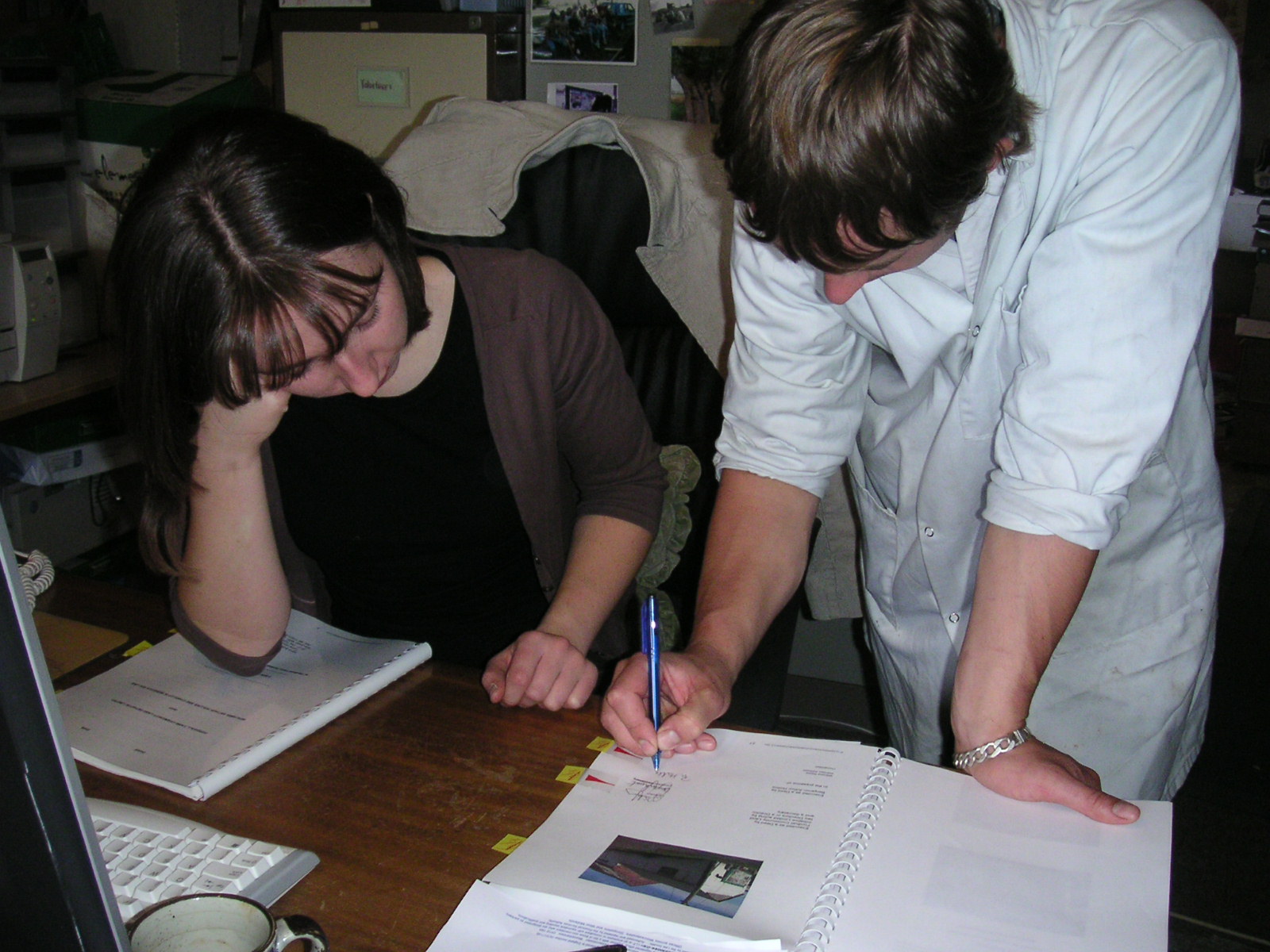
However, Sophie (who was working with me throughout the campaign) and I were seeing letters and emails one after another, all sharing hope for the campaign. A shared belief it was not only possible, but that it was the right thing to be doing. The hope that these conversations, cards and letters brought to us was the real power that drove our campaign to succeed. Soon enough, more volunteers joined us. The office became full of people, each one with a belief that this was possible.
No, it had not been done before. Yes, £800,000 is a lot of money to raise in less than six months. Yes, we had no experience to bring to the table. However, hope, passion and ambition gave us the confidence to test and learn. We continually reflected on our practice. We changed direction when we needed to. We worked through the night to ensure every hour was productive. We listened to every comment we received. And by-gum (a common saying of Dad’s) we fed off that ‘hope’.
Without it, I really do not think we would be here today. If the messages we had received at the farm had been the same as those Ben was receiving at the Farmers’ Markets, we would have given up before we had even tried. Our seed of an idea germinated because of all the positive help and words of support we received along the way.
Hope is powerful. Hope changes the world. Hope allows us to attempt the impossible, because somewhere deep down we know that change can happen, and when we hope as a collective force, there is no stopping us!
Charlotte Hollins, General Manager