Creating Space for Wildlife at Fordhall
April 10, 2026
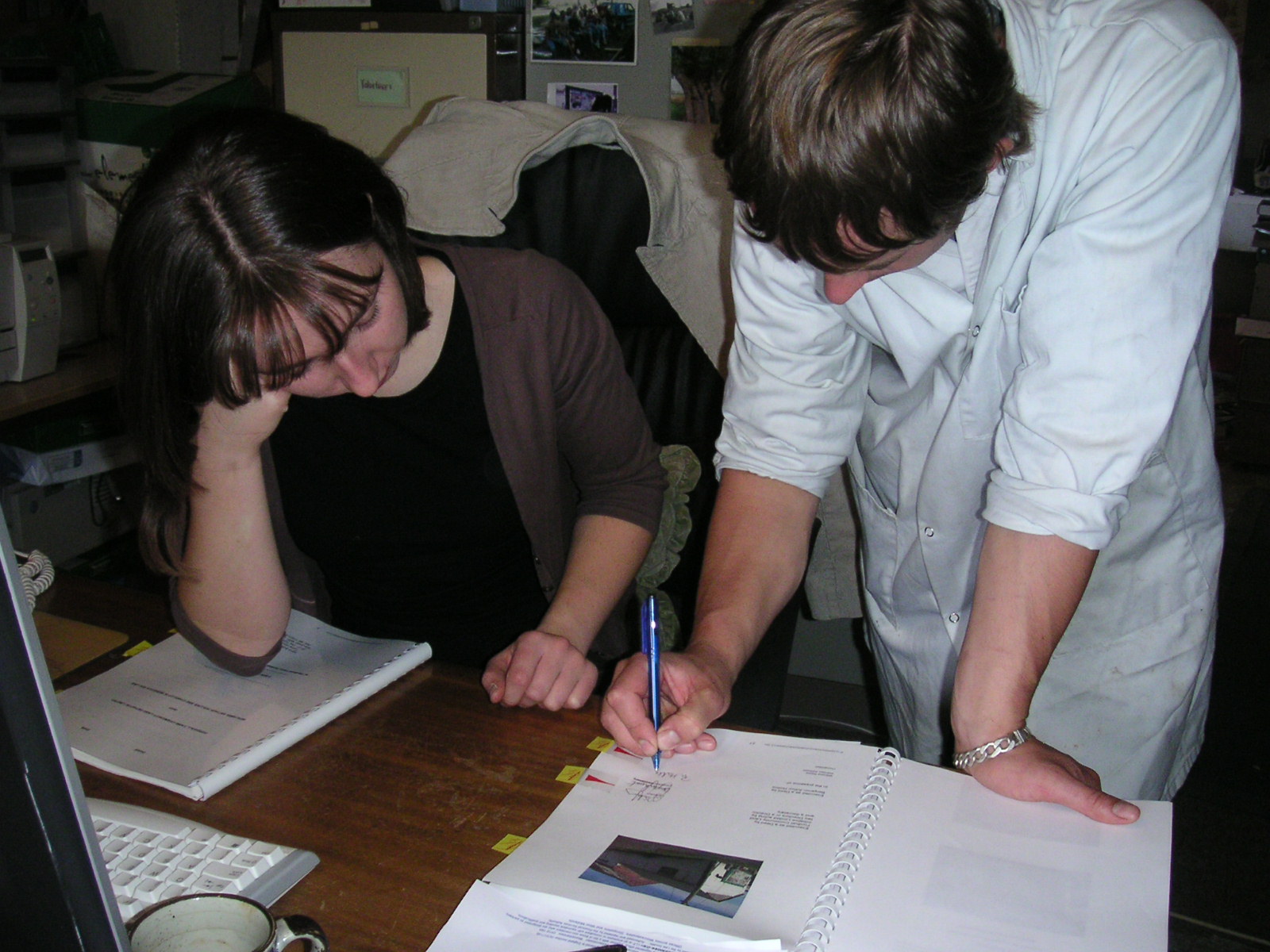
Through a partnership project with our tenant farmer, our Youth Project and volunteers have been busy creating and installing bird boxes across the farm to support our many feathered friends.
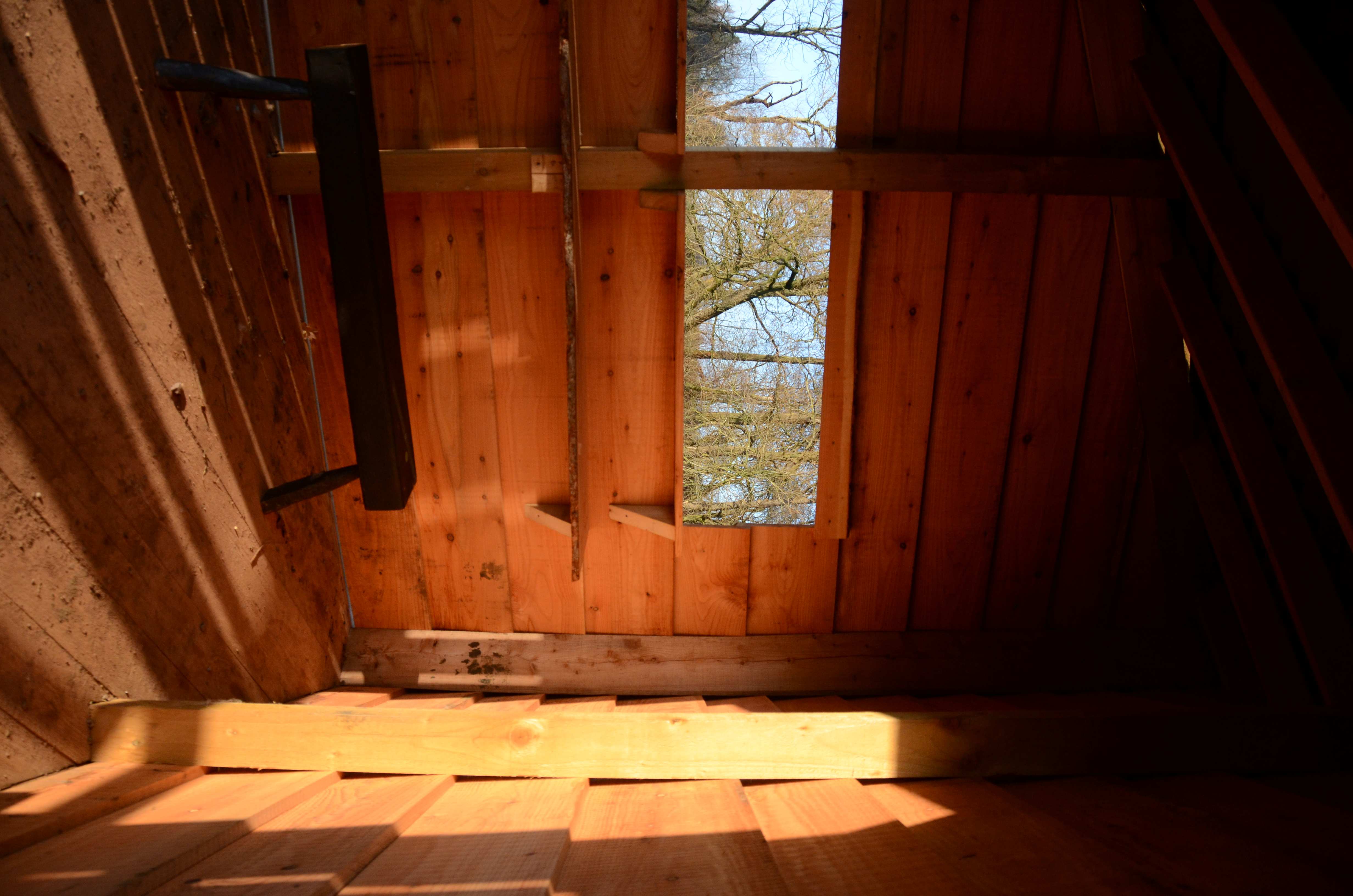
Here at Fordhall, wildlife and farmland are not separate, they are part of the same unique ecosystem.
Birds, as well as plants, insects and livestock, play vital roles in the health and balance of our working landscapes. As we focus on the notion of ‘hope’ as part of this edition’s theme, let’s take a look at a couple of birds of conservation concern we are looking to support. These chosen birds are also meaningful indicators and contributors to ecological health in agricultural landscapes, so if we can grow the population here it’s a very promising sign.
The first is the tree sparrow (Passer montanus). You will recognise this bird by its chestnut brown crown, white cheeks, a white collar and black cheek spots, and smaller in size to a house sparrow. This small bird is on the UK’s Red list for birds of conservation concern after dramatic declines in the latter part of the 20th century. It is believed changes in agricultural practices could have resulted in fewer food sources, which is a contributing factor to their decline. Tree sparrows feast on seeds and occasional insects and are therefore are very reliant on hedgerows and trees. The young arriving in the spring/summer are fed entirely on insects and spiders for protein for the first two weeks of their lives.
This ‘shy’ bird tends to avoid human and urban areas and instead prefers lowland farmland – despite its name it does not actually favour woodland areas! They do enjoy some company though, forming small colonies in the breeding season and then coming together into larger flocks in the winter to feed. To give them the most suitable nesting box, we have installed terraced nest boxes providing multiple nesting sites to suit a small colony. This, along with the existing mature trees and hedgerows very prevalent at Fordhall (offering natural nesting habitats which shelter and support a richer food web), make Fordhall the perfect place for tree sparrows to make their home. Recent work through our Silvopasture project, planting more trees and hedgerows, will also help to provide a year-round food Vinnie installing his crafted bird box Passer montanus long into the future.
In contrast to the tiny tree sparrow, we have also been busy installing large kestrel nesting boxes for one of the UK’s most well-known birds of prey (Falco tinnunculus). These birds are most familiar to us for hovering in the air as they lock onto the unsuspecting prey below. They cleverly fly into the wind to enable them to sustain their position, keeping their head still and their eyes fixed on the ground until the moment they spot their prey and drop down. Again, their numbers are declining, and these majestic creatures are Amber-listed as a species of conservation concern. Preferring to nest in hollow trees or ledges in abandoned buildings than build their own family homes, one of the possible reasons behind kestrel decline is a loss of the mature woodland and wood pasture and growth in barn conversions removing the places on which they once depended. Our kestrel nesting boxes are large and open-fronted with careful consideration over their locations. They need to be placed high with a clear flight path, and in the vicinity of open farmland, providing suitable areas for hunting. We hope to see more of these birds hunting at Fordhall over the coming years.
Marie Gibson, Deputy Manager